Effortless Hosting Powered by Intelligent Home Orchestration
Orchestrating Arrival and Check-In
Smart Entry with Time-Bound Access Codes
Welcome Moments That Start the Stay Right
Comfort by Design: Lighting, Climate, and Ambience
Adaptive Lighting That Mirrors Natural Rhythm
Use warm, low-intensity light in the evening to cue winding down, while daylight scenes brighten kitchens and desks for focus. Motion sensors prevent midnight light blasts, guiding with soft path lighting instead. Hosts report fewer messages about confusing switches and greater appreciation for restful bedrooms. Start simple: two time-based scenes per zone, then graduate to circadian schedules. The result is comfort that feels intentional and sophisticated without calling attention to itself.
Climate Control That Anticipates Needs
Precondition the home an hour before arrival based on outside weather and historical preferences for your space. Occupancy sensors return the home to an eco mode when the property is empty, saving on utilities between stays. Combine humidity monitoring with smart bathroom fans to prevent mildew and reduce maintenance calls. A coastal host cut energy usage by double digits while increasing guest satisfaction, simply by aligning thermostats and sensors with check-in and checkout windows.
Guest Guidance and Self-Service Support
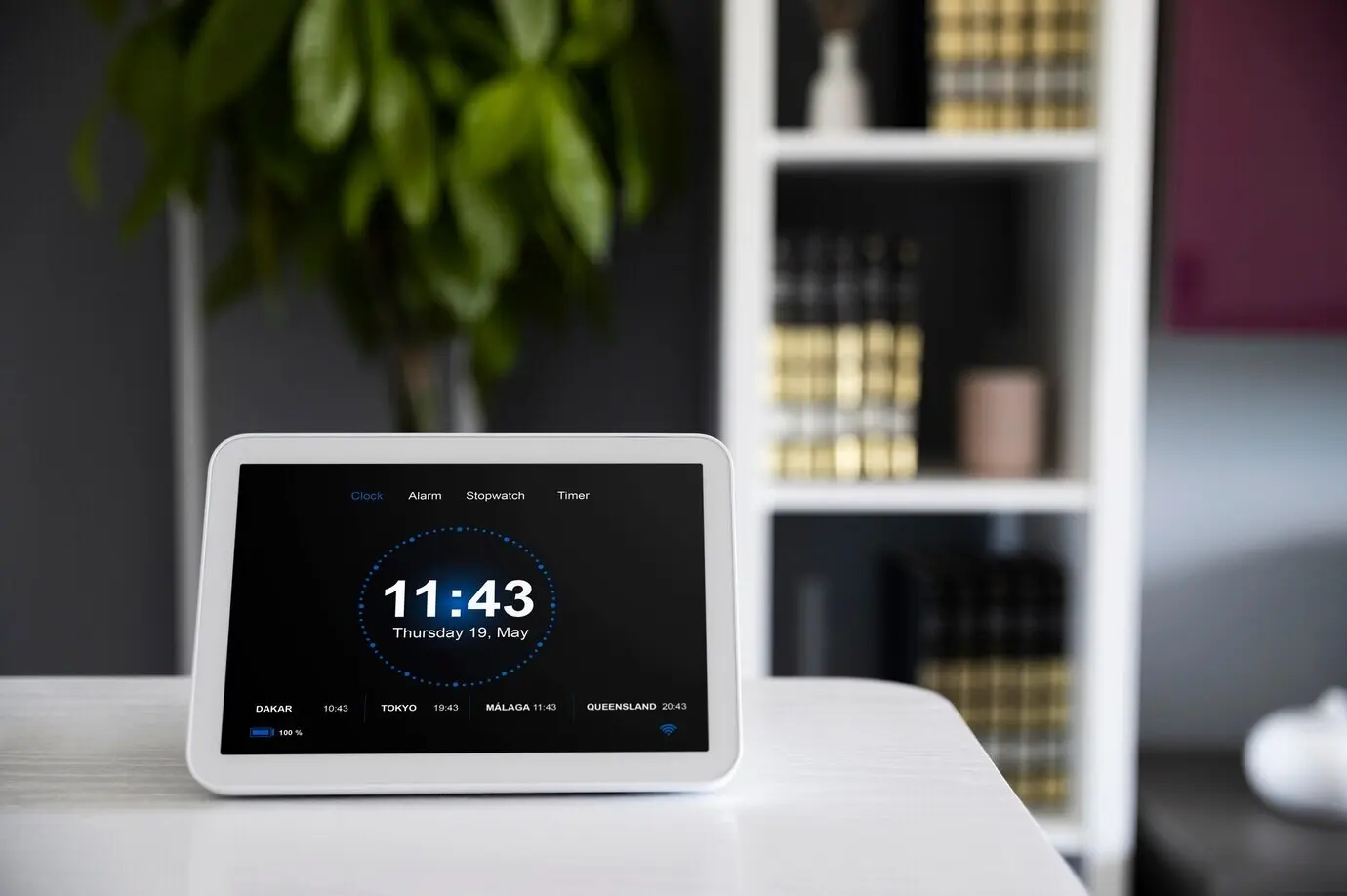
Interactive House Guide on Tablet and TV
Centralize everything: Wi‑Fi details, appliance tutorials, neighborhood favorites, and emergency contacts. Keep pages short, visual, and scannable. When you update content in the cloud, it syncs across every display instantly. Add accessibility features like larger text and captions. One alpine cabin replaced a thick binder with a simple tablet menu; support messages dropped, and guests shared photos of the screen because it felt modern, considerate, and easy to trust.
Voice Shortcuts and QR Help Everywhere
Place small QR codes near tricky devices, linking to fifteen-second videos or one-screen instructions. Offer voice shortcuts such as “Goodnight” or “Make coffee” that set lights, shades, or the kettle appropriately. This keeps guidance ambient and playful rather than instructional. A host named Marco reports that QR tips near the cooktop practically eliminated questions about the ventilation hood, while voice scenes became a favorite evening ritual for families with kids.
Proactive Alerts When Something Goes Off Script
Automations can notice a garage door left open, a water leak beneath the sink, or a low battery in a lock and gently notify both guest and host with clear next steps. Provide one-tap solutions: close, silence, schedule, acknowledge. This calm responsiveness builds trust, solves small problems quickly, and prevents bigger ones. People remember not only how comfortable a place felt, but how smoothly little hiccups were handled without drama.

Turnover Runs Like a Flight Crew
Inventory Sensors Prevent Last-Minute Scrambles
Security, Privacy, and Trust