Effortless Hosting Powered by Intelligent Home Orchestration
Today we dive into smart home automation for concierge-style convenience and seamless hosting, bringing together seamless access, personalized comfort, and proactive support. Imagine arrivals that unlock doors automatically, lights that greet each guest warmly, and guidance that answers questions before they arise. We will explore practical setups, real stories from hosts, and privacy-first safeguards that keep trust central. Expect actionable playbooks, recommended automations, and tips to unify devices into one calm, reliable experience your guests will remember long after checkout.

Orchestrating Arrival and Check-In

The arrival experience sets expectations for the entire stay, and automation makes it consistently delightful. Smart locks issue time-bound codes, geofencing softens lights as guests approach, and a simple message confirms successful entry. Behind the scenes, hosts receive alerts, while backup keys and offline PINs protect against network hiccups. We will outline a welcoming flow that is secure, accessible, and hands-free, reducing late-night phone calls and turning first impressions into lasting loyalty.

Smart Entry with Time-Bound Access Codes

Generate unique, scheduled codes that activate right at check-in and expire at checkout, eliminating physical key coordination and risk. Pair codes with identity verification steps appropriate to your property type. If cellular service is unreliable, configure an offline-capable fallback PIN. One host, Lina, halved late-night lockouts after moving to this setup and now receives calm, silent confirmations instead of anxious calls, even during storms that briefly knock Wi‑Fi offline.

Welcome Moments That Start the Stay Right

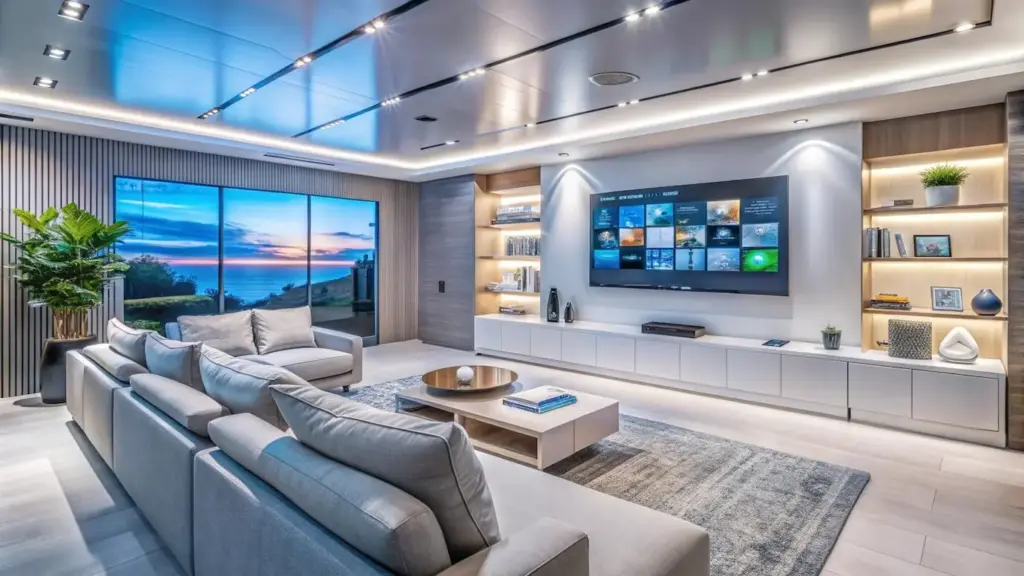
Trigger a “Hello” scene when the door unlocks between designated hours: foyer lights glow warmly, a soft playlist fades in, and thermostat nudges into comfort. A gentle message appears on the TV with Wi‑Fi details and a few house highlights. Simple touches, repeated predictably, transform entry into a small celebration. Guests immediately feel oriented, cared for, and free to settle in without digging through instructions.

Comfort by Design: Lighting, Climate, and Ambience

Comfort feels effortless when the home understands context. Circadian lighting supports energy during the day and deep rest at night. Shades coordinate with sun position to manage glare and heat. Climate adapts to occupancy and preferences, trimming energy costs between stays. Gentle soundscapes mask street noise without disturbing neighbors. These layered automations work together, making every room feel thoughtfully tuned rather than merely turned on. Your hospitality gains a signature calm that guests instantly notice.

Adaptive Lighting That Mirrors Natural Rhythm

Use warm, low-intensity light in the evening to cue winding down, while daylight scenes brighten kitchens and desks for focus. Motion sensors prevent midnight light blasts, guiding with soft path lighting instead. Hosts report fewer messages about confusing switches and greater appreciation for restful bedrooms. Start simple: two time-based scenes per zone, then graduate to circadian schedules. The result is comfort that feels intentional and sophisticated without calling attention to itself.

Climate Control That Anticipates Needs

Precondition the home an hour before arrival based on outside weather and historical preferences for your space. Occupancy sensors return the home to an eco mode when the property is empty, saving on utilities between stays. Combine humidity monitoring with smart bathroom fans to prevent mildew and reduce maintenance calls. A coastal host cut energy usage by double digits while increasing guest satisfaction, simply by aligning thermostats and sensors with check-in and checkout windows.
Guest Guidance and Self-Service Support

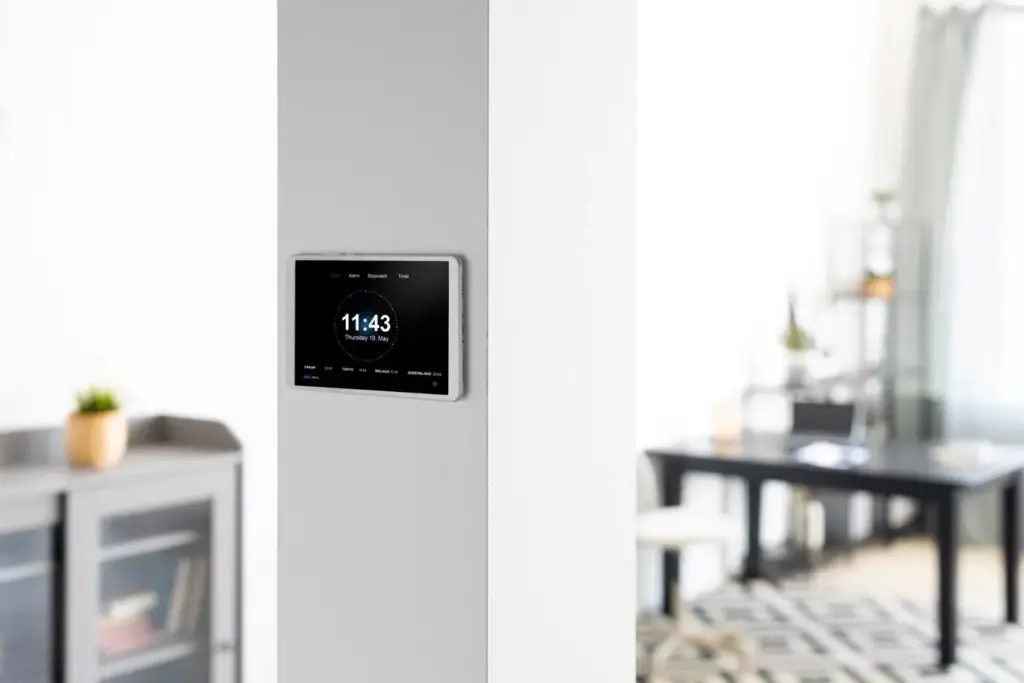
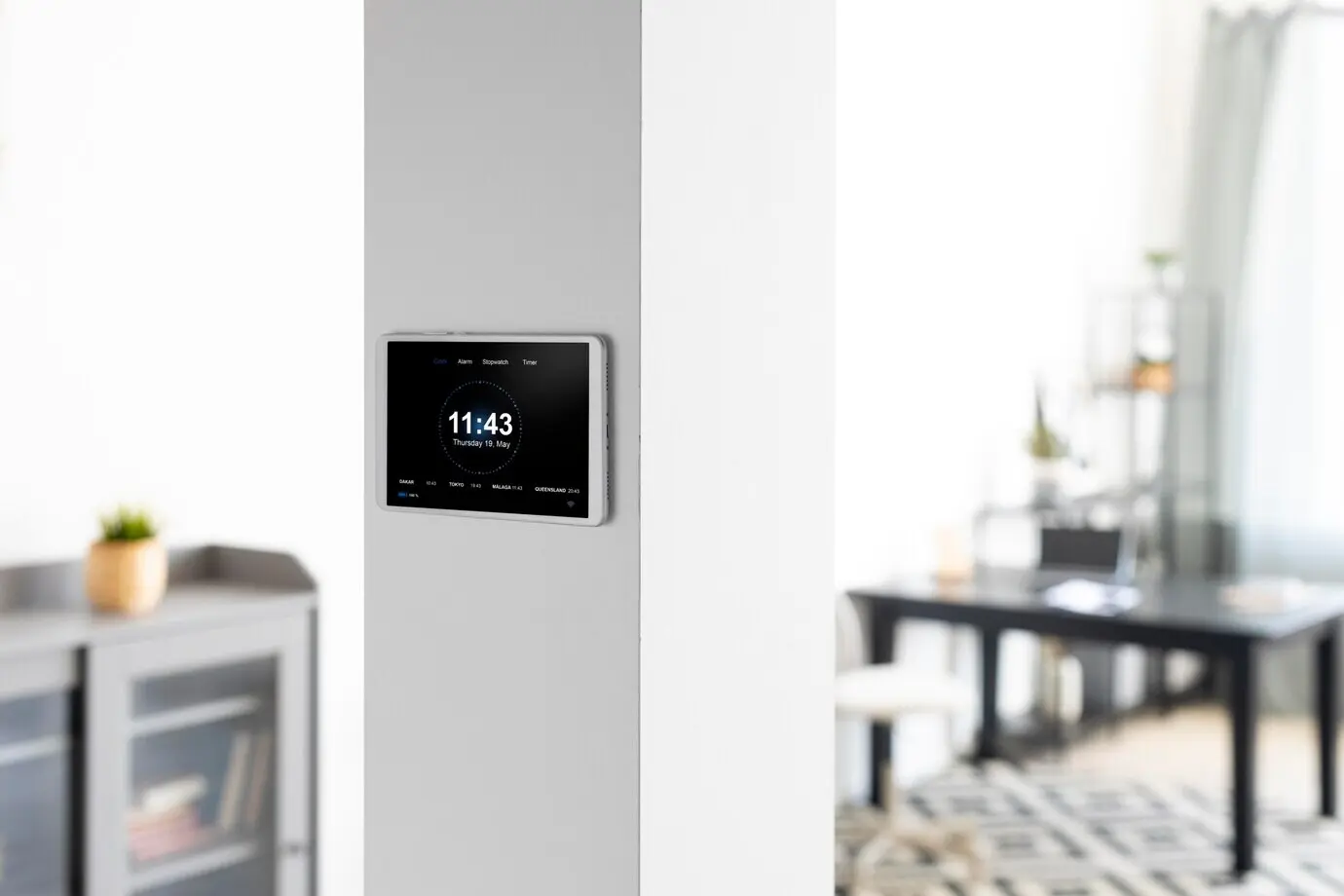
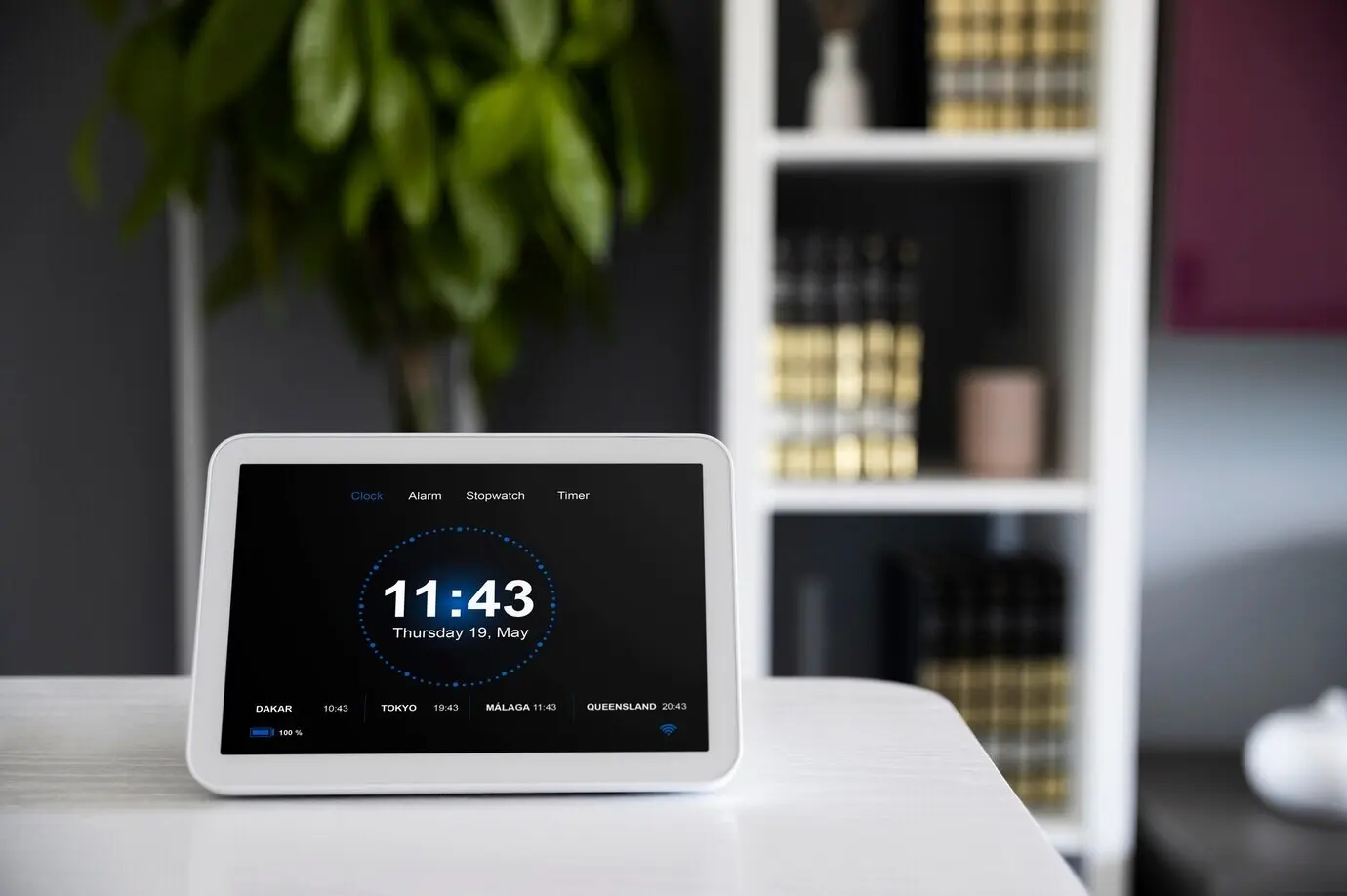
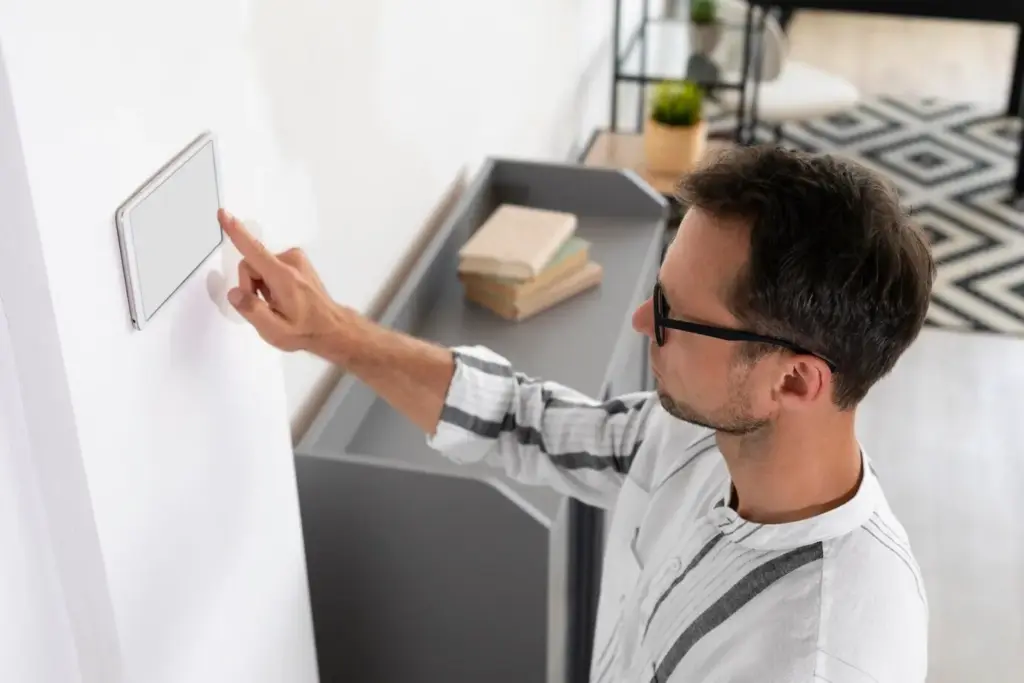
Clear, friendly guidance turns questions into confidence. An in-home tablet, TV welcome screen, and QR cards deliver the same simple, visual instructions in multiple languages. Short video clips answer common requests, from operating the fireplace to loading the washer. A messaging bot can check in politely the first evening, offering help without hovering. This self-service approach reduces interruptions while making guests feel seen, supported, and free to enjoy the space on their own terms.

Interactive House Guide on Tablet and TV

Centralize everything: Wi‑Fi details, appliance tutorials, neighborhood favorites, and emergency contacts. Keep pages short, visual, and scannable. When you update content in the cloud, it syncs across every display instantly. Add accessibility features like larger text and captions. One alpine cabin replaced a thick binder with a simple tablet menu; support messages dropped, and guests shared photos of the screen because it felt modern, considerate, and easy to trust.

Voice Shortcuts and QR Help Everywhere

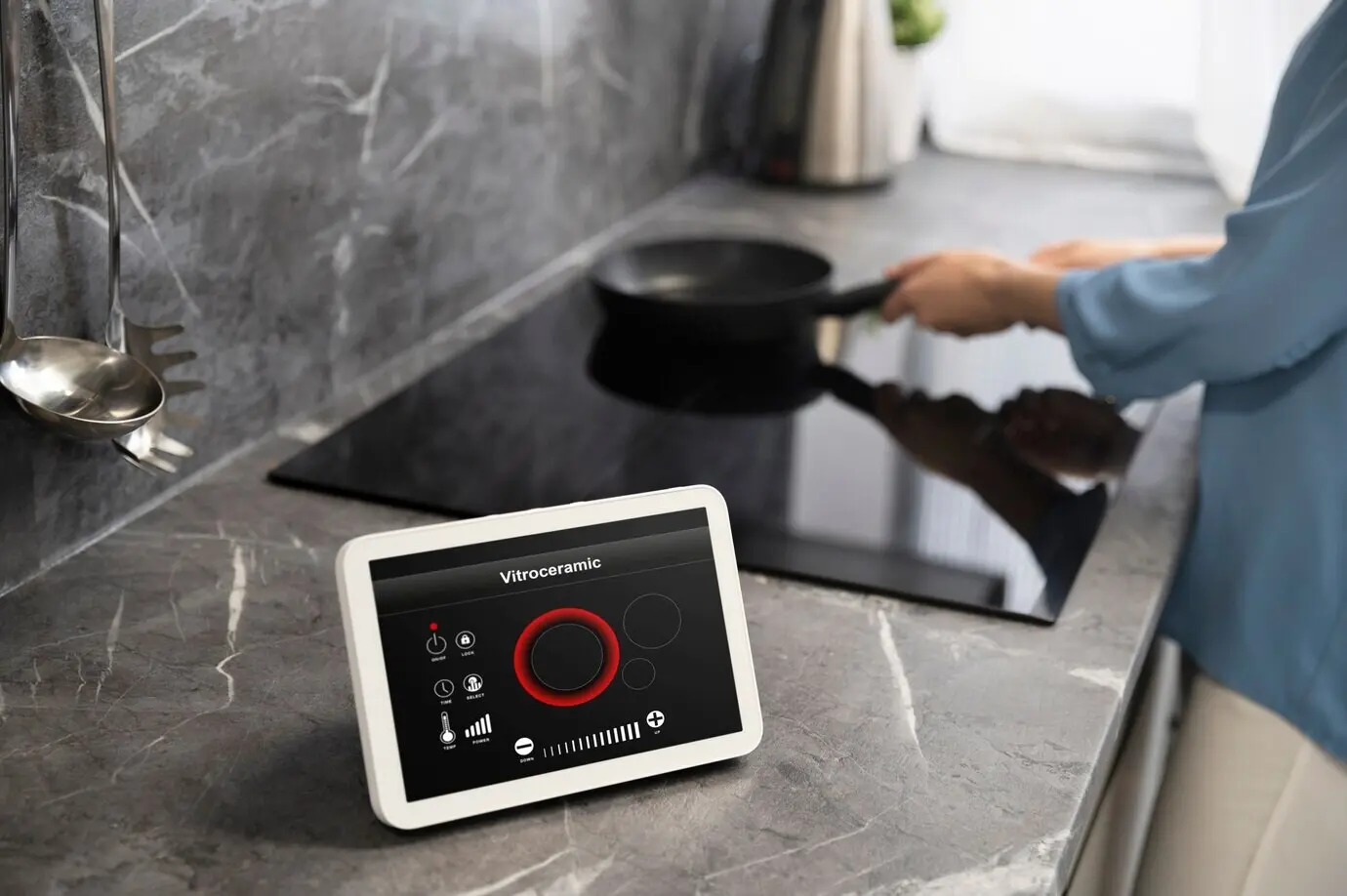
Place small QR codes near tricky devices, linking to fifteen-second videos or one-screen instructions. Offer voice shortcuts such as “Goodnight” or “Make coffee” that set lights, shades, or the kettle appropriately. This keeps guidance ambient and playful rather than instructional. A host named Marco reports that QR tips near the cooktop practically eliminated questions about the ventilation hood, while voice scenes became a favorite evening ritual for families with kids.

Proactive Alerts When Something Goes Off Script

Automations can notice a garage door left open, a water leak beneath the sink, or a low battery in a lock and gently notify both guest and host with clear next steps. Provide one-tap solutions: close, silence, schedule, acknowledge. This calm responsiveness builds trust, solves small problems quickly, and prevents bigger ones. People remember not only how comfortable a place felt, but how smoothly little hiccups were handled without drama.
Turnover Runs Like a Flight Crew
Build a checklist that updates automatically based on how many bedrooms were used, pet status, and special requests. When the door code expires, cleaning access activates, and the thermostat shifts to a productive temperature. A timeboxed sequence keeps momentum: linens first, surfaces next, final sweep. Teams appreciate clarity; guests feel the results. One urban loft cut turnover variability by nearly half after formalizing automations that previously lived only in managers’ heads.

Inventory Sensors Prevent Last-Minute Scrambles

Track essentials like coffee pods, paper goods, and toiletries with simple bin sensors or scheduled counts prompted by the tablet. When thresholds are reached, create an automatic restock task or even a recurring order. Hosts spend less time guessing, and cleaners avoid shortages that cause awkward apologies. When supplies are always ready, guests perceive thoughtful abundance, which quietly elevates perceived value and keeps ratings steadily excellent without adding daily effort.

Security, Privacy, and Trust

Trust is the foundation of hospitality, and respectful technology strengthens it. Use exterior cameras for perimeter awareness while disabling indoor recording during stays. Noise monitors track decibel levels, not conversations, protecting neighbors without invading privacy. Clear policies communicate what is monitored, when, and why. Short data retention, strict access controls, and audit logs reinforce accountability. When guests understand the boundaries, they relax, behave considerately, and remember your place as both safe and welcoming.

Hosting at Scale: Remote Management and Analytics

Aggregate devices, calendars, and messaging into one interface with role-based permissions for owners, cleaners, and support. Bulk actions roll out policy changes safely, and status pages highlight what needs attention now. Even modest portfolios benefit from this clarity. A host managing five townhomes reduced scattershot texting by moving to structured tasks and shared notes, which turned handoffs from stressful moments into predictable, almost boring, routine excellence.
Design for the rainy day: local controls if internet drops, offline-capable locks, and clear physical overrides. Use watchdogs to restart hubs and notify when a scene misfires. Redundancy is not indulgence; it is hospitality insurance. Guests remember how everything felt seamless, not how many guardrails existed. When failures happen quietly and recovery feels natural, your operation demonstrates maturity, and five-star experiences become normal rather than lucky outcomes.
Measure what matters: first-hour messages, time-to-resolution, energy per occupied night, and which automations guests actually use. Turn findings into experiments, like adjusting welcome brightness or timing check-in nudges earlier. Celebrate wins and retire awkward ideas quickly. This continuous feedback loop keeps the stay experience fresh, aligned with real behavior, and intentionally better each month. Invite readers to share their own findings, and we will compare notes in upcoming features.
Nipufofivipizekuka
Privacy Overview

This website uses cookies so that we can provide you with the best user experience possible. Cookie information is stored in your browser and performs functions such as recognising you when you return to our website and helping our team to understand which sections of the website you find most interesting and useful.